
START WITH DISCOVERY
Discovery Sprint (Plan + SOW)
In one focused week, we map your workflow, identify bottlenecks, and define the build. You’ll walk away with clear requirements, scope, timeline, and a build-ready Statement of Work—so you can move forward with confidence (with us or anyone).
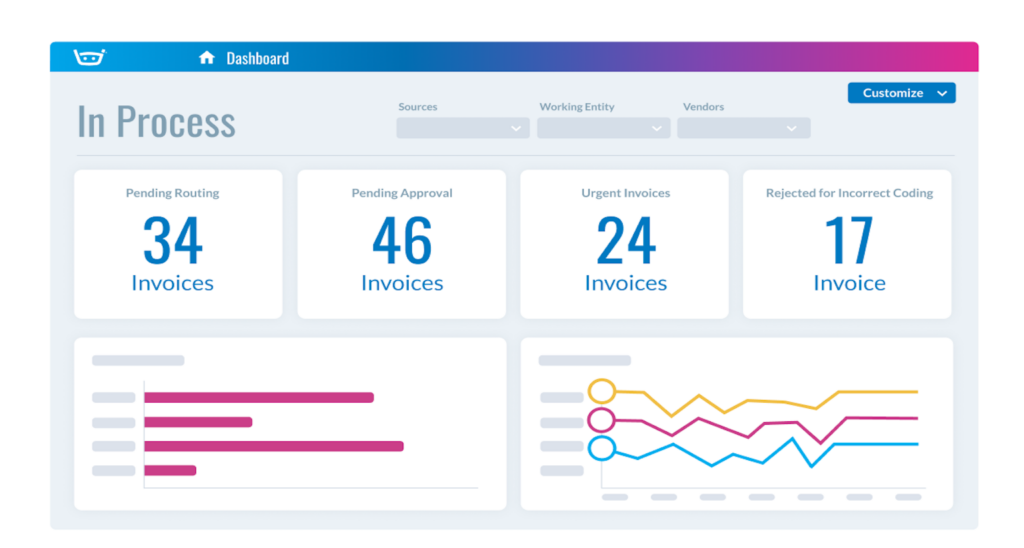
How the Discovery Sprint Works. (From Kickoff to Build-Ready SOW)
We keep this sprint focused and lightweight on your team. We start with a kickoff to align on goals and pain points, then we map the current workflow and the “future state” you actually want. Finally, we translate everything into clear requirements, role-based rules, and a milestone plan that becomes your Statement of Work—so build decisions are based on reality, not assumptions.
A Structured Sprint That Turns Chaos Into a Clear Build Plan.
Discovery is where we remove ambiguity. We capture the real steps, handoffs, and edge cases that get missed in quick conversations. Then we turn that into a clear plan: what gets built first, what can wait, how approvals work, who needs access, and what “done” looks like—so the build phase moves faster and stays on scope.
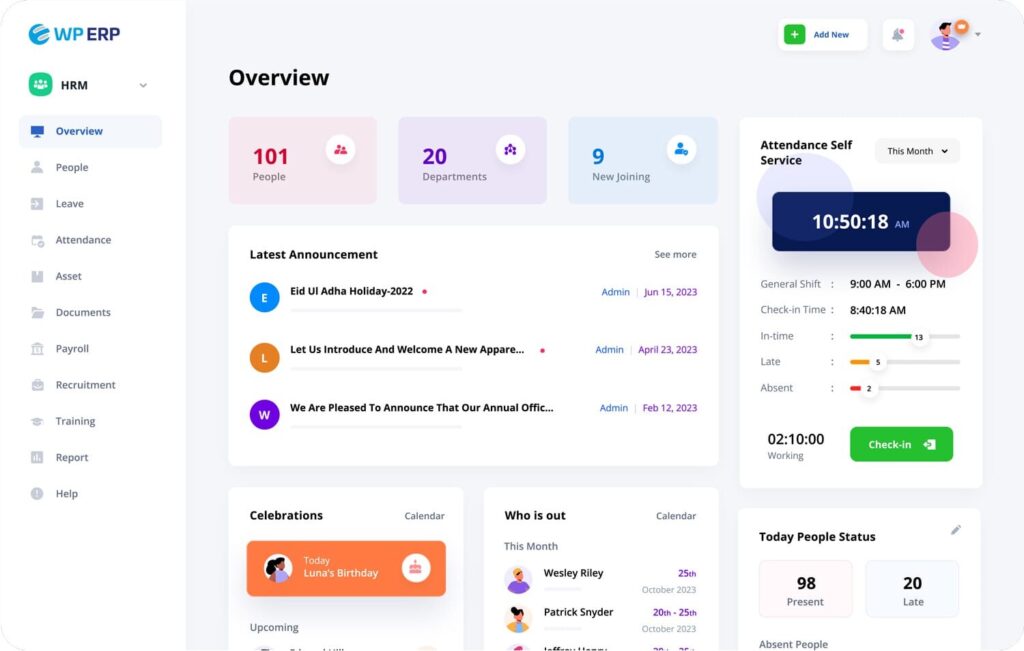
Is Discovery the Right Next Step? Here’s What a Good Fit Looks Like
Discovery is ideal when you know you need a system, but you don’t want to jump into development without a clear scope. If your work relies on approvals, multiple roles, or frequent “where does this stand?” updates, Discovery will quickly surface what matters most. You’ll leave with a decision-ready plan and a path forward—either into a milestone build or ongoing retainer improvements.
TURN CHAOS INTO A PLAN
A Decision-Ready Scope Your Team Can Actually Execute.
Most projects fail in the handoffs—unclear requirements, missed edge cases, and “we’ll figure it out later.” This section lays out the Discovery Sprint: deliverables, what we map, timeline, and pricing—so you can greenlight the build without guessing.
Current → Future Workflow Map
We capture how work actually moves today, then design the future-state flow—handoffs, steps, exceptions, and ownership—so everyone aligns before any build starts.
Build-Ready Requirements List
You get clear, prioritized requirements with edge cases and decision rules—written so a dev team can estimate and implement without “we’ll figure it out later.”
Roles, Permissions & Access Plan
We define who can see, do, approve, and override—so the system matches reality and reduces security risks, confusion, and bottlenecks.
Milestone Build Plan & Sequence
A phased roadmap that shows what gets built first, what can wait, and why—so you ship value early without overbuilding the first version.
Statement of Work (SOW) + Acceptance Criteria
A scope you can sign off on with deliverables, assumptions, and “done means done” criteria—so the build stays measurable and controlled.
Estimates + Implementation Options
You’ll receive realistic effort ranges and tradeoffs—so you can pick the right approach (lean MVP vs. fuller build) with eyes wide open.
End-to-End Workflow + Handoffs
We map the full process from request → completion, including every handoff, approval, and “who owns what”—so work stops living in tribal knowledge.
Exceptions, Edge Cases & Escalations
We capture the messy realities: rejects, rework loops, rush requests, missing info, and escalation paths—so the system holds up under real-world pressure.
Decision Rules & Routing Logic
We define the “if this, then that” logic—routing by type, priority, customer, team, location, or thresholds—so the workflow runs consistently without constant manual oversight.
Forms, Data Fields & Validation
We specify the exact fields to collect, required vs optional inputs, conditional questions, and validations—so your intake is clean and reporting-ready from day one.
Roles, Permissions & Visibility
We document who can create, view, edit, approve, export, or override—so sensitive data stays protected and accountability is built into the system.
Integrations, Data Sources & Notifications
We identify what should connect (email, CRM, accounting, spreadsheets, APIs), what data moves where, and which alerts matter—so your team isn’t retyping the same info in five places.
Day 1 — Kickoff + Goals + Success Criteria
We align on the outcome, constraints, stakeholders, and what “done” means—so every decision in the sprint ties back to a clear target.
Day 1–2 — Current-State Workflow Mapping
We document how work actually flows today (including handoffs, approvals, and bottlenecks)—so we’re solving the real problem, not the imagined one.
Day 2–3 — Pain Points, Edge Cases & Risk Review
We surface the “gotchas” that break systems—exceptions, rework loops, permissions issues, and failure points—so the build doesn’t collapse later.
Day 3 — Future-State Flow + Decision Rules
We design the target workflow: steps, routing logic, statuses, approvals, and accountability—so the system runs consistently without constant supervision.
Day 4 — Requirements + Prioritization + Milestones
We turn everything into a clear, prioritized backlog and sequence it into phases—so you know what gets built first, what can wait, and why.
Day 5 — Build-Ready SOW + Handoff
You receive the finalized scope, acceptance criteria, roles/permissions plan, and implementation options—so you can greenlight development with confidence (with us or anyone).
Discovery Sprint Fee (Fixed Price)
A flat sprint cost—no hourly creep—so you can budget confidently and know exactly what you’re paying for upfront.
Timebox = Speed + Focus
The sprint is intentionally timeboxed to keep decisions moving and prevent endless “let’s explore one more thing” loops.
What’s Included in the Sprint
Workflow mapping, requirements, roles/permissions, milestone plan, and a build-ready SOW—so you leave with a package you can execute immediately.
Build Cost Ranges (MVP → Full Build)
You’ll get realistic effort ranges and options (lean MVP vs. fuller version)—so you can choose the right level of investment.
Tradeoffs + Implementation Options
We outline where cost moves up or down—integrations, complexity, permissions, automation depth—so there are no surprises later.
Avoid the Most Expensive Mistake
Discovery prevents the costly rework that happens when teams jump into dev with assumptions—so you spend money once, not twice.
Ready to Get a Build-Ready Scope?
If your workflow lives in spreadsheets, email chains, and ‘tribal knowledge,’ a quick fit check is the fastest way to see if Discovery will actually help.