01
Websites that do more.
Beautiful design, useful functionality, and a clear path for customers to take the next step.
About Keystone Web Studios
We’re your hands-on partner for websites, custom software, connected operations, and practical AI.
We learn how your business works, build around it, and help your people use what comes next. From the first idea to the everyday work that follows.
Connecting OpenAI technology with the websites, information, and tools your team uses.
 Keystone / project deskBUILT WITH YOU
What should be easier for your customers and your team?
“We want website inquiries to reach the right person, with the details they need to follow up.”

The website and the tools behind it work together.
Your team knows what happens next—and who to call.
Keystone is still in your corner.Build. Learn. Improve.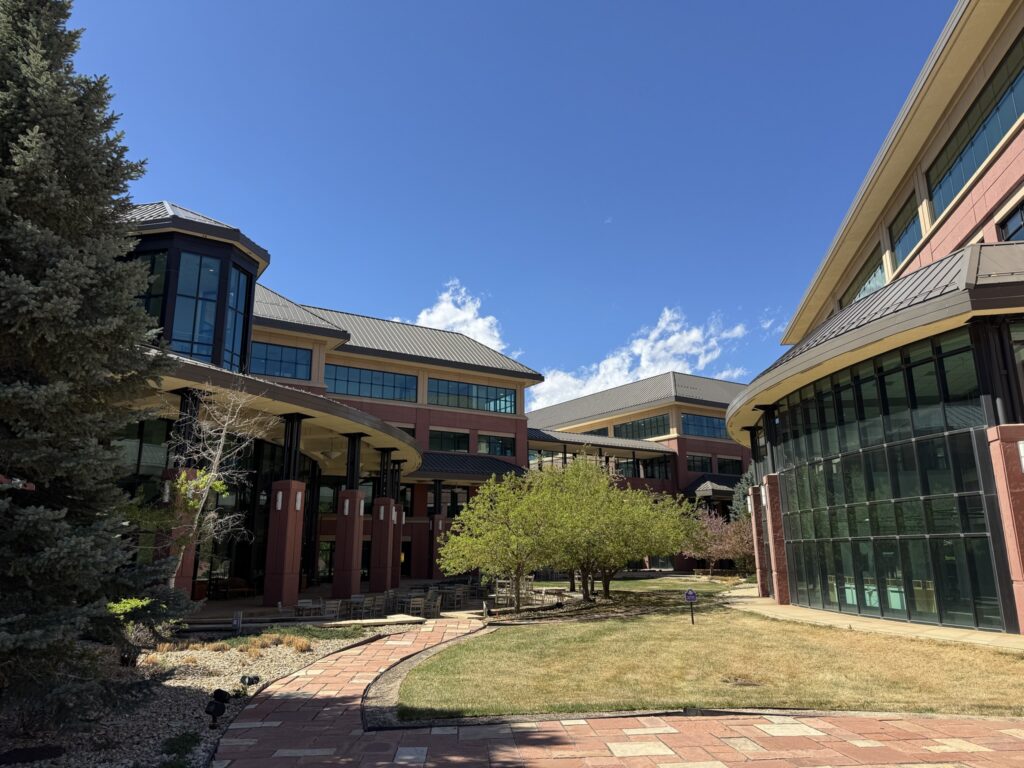
 BROOMFIELD, COLORADO
The business comes first
A useful website starts with understanding what makes the business worth choosing. A useful system starts with understanding how the work gets done.
For 5 Point Life Center, we studied the campus, its location, and the business behind it. That understanding shaped a website connecting its spaces, opportunities, and inquiry paths.
Meet Keystone
Software experience and an understanding of real operations shape how we approach the work.

Co-Founder & Systems Developer
Levi has been building software for over 30 years. His experience spans design, infrastructure, databases, security, ecommerce, and custom applications. He connects the technical details with how the business needs to work.
Meet Levi
Founder & Healthcare Systems Strategist
Holly brings nursing experience and an operational perspective to the work. She helps shape systems around the people using them, the information they need, and the responsibilities they carry.
Meet Holly